When running a business, managing finances can often feel like a juggling act. Among the many tasks, knowing how to categorize business expenses effectively stands out as crucial for accurate bookkeeping, tax preparation, and informed decision-making. Proper expense categorization is not just about compliance; it is about gaining a clear picture of your financial health and identifying areas for growth or cost reduction. Without a streamlined system, this vital process can become a source of stress, leading to lost receipts, missed deductions, and countless hours spent on manual data entry.
What You Need to Categorize Business Expenses Effectively
To successfully categorize business expenses, you need a combination of the right tools, a clear understanding of expense types, and a consistent approach. Firstly, a reliable method for capturing and digitizing your expenses is paramount. Tools like SlipSheet are specifically designed to transform scattered receipts, whether photo or email, into organized spreadsheet rows, eliminating the need for tedious manual input. Secondly, a well-defined chart of accounts, which is essentially a list of all financial accounts used by your business, provides the framework for consistent categorization. This might include categories like "Office Supplies," "Travel Expenses," "Marketing," "Software Subscriptions," and "Professional Development." Lastly, a commitment to regular, perhaps weekly or monthly, expense processing ensures that you stay on top of your financial records and avoid a last-minute scramble.
Phase 1: Gathering Your Receipts and Expense Data
The first crucial step in mastering how to categorize business expenses is the diligent collection of all your financial documentation. Every purchase, no matter how small, represents a potential business expense that needs to be recorded. This phase involves both physical receipts from in-store purchases and digital receipts from online transactions or service providers.
For physical receipts, establish a habit of immediately storing them in a designated place, such as a wallet pocket, an envelope, or a specific folder in your bag. The longer you wait, the higher the chance of losing them or having them fade. For digital receipts, create an email folder specifically for business expenses. Regularly move receipts from your inbox to this folder, ensuring they are easily accessible when it is time to process them. Consistency in this initial gathering stage lays the foundation for accurate and complete financial records.
Phase 2: Effortlessly Capturing and Digitizing with SlipSheet
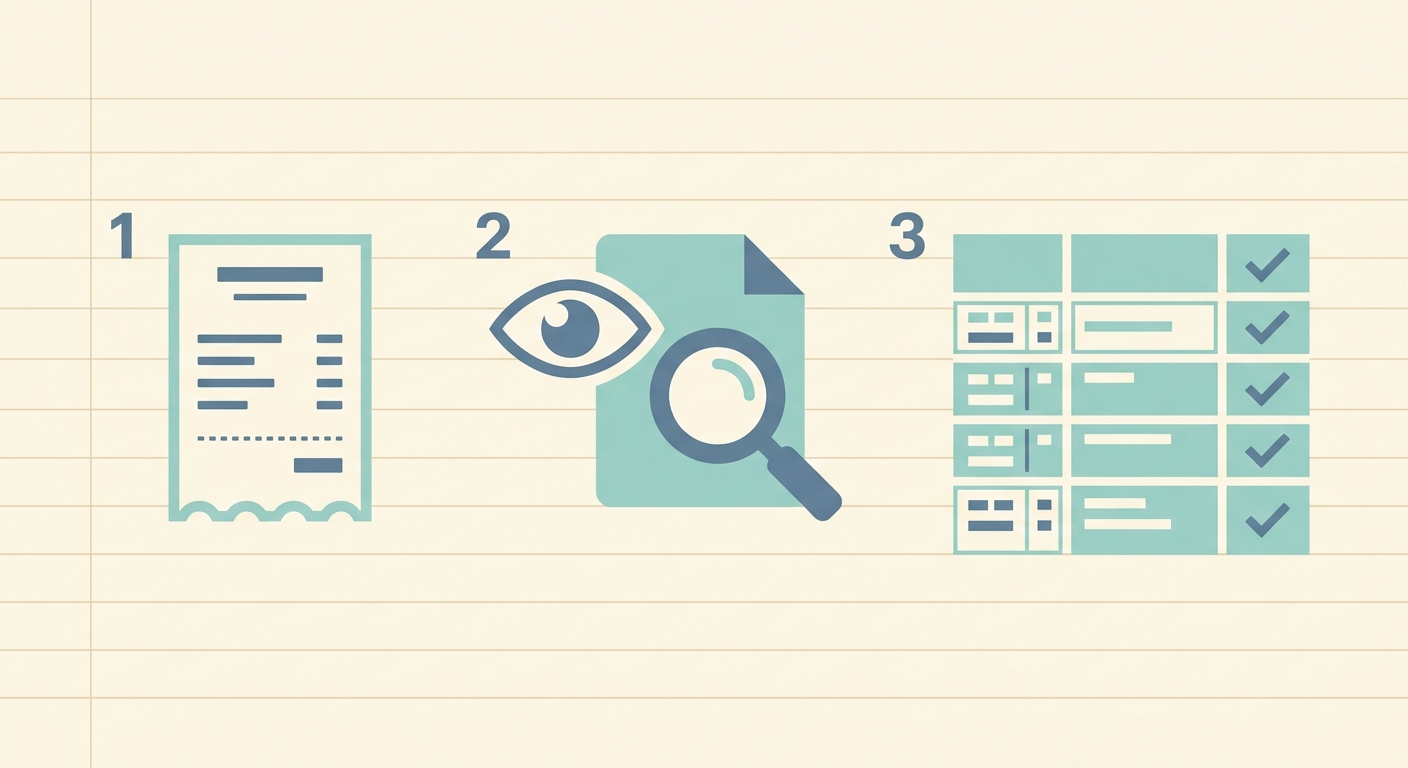
Once your receipts are gathered, the next phase, and arguably the most transformative, involves digitizing and preparing them for categorization. This is where SlipSheet truly shines. Instead of manually typing out details from each receipt into a spreadsheet, SlipSheet automates this laborious process.
For physical receipts, simply take a photo of the receipt using your smartphone. SlipSheet's intelligent OCR technology will then extract key information such as the vendor name, date, total amount, and even line items, converting your receipt photo into structured data. For email receipts, the process is even simpler. Just forward your email receipt to your unique SlipSheet address, and the tool will automatically parse the relevant data, turning your email into a spreadsheet row without any manual effort on your part. This seamless capture process drastically reduces the time and potential for errors associated with traditional data entry, making the task of how to categorize business expenses significantly more efficient.
Phase 3: Reviewing and Refining Extracted Expense Fields
After SlipSheet has processed your receipt photos and email receipts, the extracted data is presented in an easy-to-review format. This phase is critical for ensuring accuracy and applying your specific business categories. SlipSheet allows you to quickly glance over the automatically populated fields, such as vendor, date, and amount. While SlipSheet's accuracy is high, a brief review ensures that all data is correct and complete.
More importantly, this is the stage where you apply your predefined business expense categories. You can often add or select categories directly within SlipSheet's interface or prepare the data for easy categorization once exported. For example, a receipt from an office supply store might be automatically recognized by its vendor, but you will assign it to your "Office Supplies" category. A lunch receipt might go under "Meals and Entertainment," and a software subscription under "Software & Subscriptions." This methodical review and categorization step ensures that your financial data is not only accurate but also structured according to your business's specific accounting needs.
Phase 4: Exporting and Integrating Your Categorized Data
With your expenses captured, digitized, and categorized, the final phase involves exporting and integrating this valuable data into your broader financial system. SlipSheet provides flexible export options, typically allowing you to download your organized expense data as a CSV file or directly export it to Google Sheets.
This structured data is now ready for import into your preferred accounting software, such as QuickBooks, Xero, or other spreadsheet-based systems. Importing clean, categorized data saves immense time during reconciliation and tax preparation. Your accountant will appreciate the organized format, and you will have real-time insights into your spending habits. This integration streamlines your entire financial workflow, transforming a pile of receipts into actionable financial intelligence, making the process of how to categorize business expenses a strategic advantage rather than a tedious chore.
Common Mistakes to Avoid When Categorizing Business Expenses
Even with the best tools and intentions, several common pitfalls can derail your efforts to accurately categorize business expenses.
- Procrastination: Waiting until the end of the month or, worse, the end of the year, to process receipts leads to overwhelm, forgotten details, and increased risk of errors or lost deductions. Regular, small efforts are far more effective.
- Lack of a Consistent System: Ad-hoc categorization or frequently changing your expense categories creates confusion and makes it difficult to compare financial data over time. Establish a clear chart of accounts and stick to it.
- Mixing Personal and Business Expenses: This is a common error, especially for sole proprietors or small business owners. Always maintain separate bank accounts and credit cards for business use to avoid commingling funds and simplify expense tracking.
- Ignoring Small Expenses: While individually small, these can add up significantly over a year. Every legitimate business expense, no matter the amount, should be captured and categorized.
- Not Backing Up Data: Relying solely on physical receipts or a single digital file is risky. Ensure your digital expense data is regularly backed up or stored in a cloud-based system, which SlipSheet naturally facilitates.
Mastering how to categorize business expenses is a cornerstone of sound financial management. By adopting a systematic approach, leveraging powerful tools like SlipSheet, and avoiding common mistakes, you can transform a once daunting task into an efficient and insightful process. This not only simplifies tax time but also empowers you with a clearer understanding of your business's financial health, enabling smarter decisions and greater profitability.
Ready to streamline your expense categorization and take control of your business finances? Visit slipsheet.app today to see how easy it can be to turn your receipts into organized, actionable data.
FAQ
Why is categorizing business expenses important?
Categorizing business expenses is crucial for accurate financial reporting, tax compliance, and informed decision-making. It helps you understand where your money is going, identify areas for cost savings, and maximize tax deductions.
What are the most common types of business expense categories?
Common categories include office supplies, travel expenses, marketing and advertising, professional fees, software subscriptions, utilities, and rent. Your specific categories should align with your business's chart of accounts.
How often should I categorize my business expenses?
It is best practice to categorize expenses regularly, ideally weekly or at least monthly. This prevents a buildup of receipts, reduces the chance of errors, and keeps your financial records up to date.
Can I use SlipSheet for both physical and email receipts?
Yes, SlipSheet is designed to handle both. You can take a photo of any physical receipt, and you can forward email receipts to your unique SlipSheet address for automatic data extraction.
How does SlipSheet help with tax preparation?
SlipSheet organizes your expenses into a clear, categorized spreadsheet, making it easy to provide your accountant with accurate data. This streamlined process significantly simplifies tax preparation and ensures you capture all eligible deductions.